
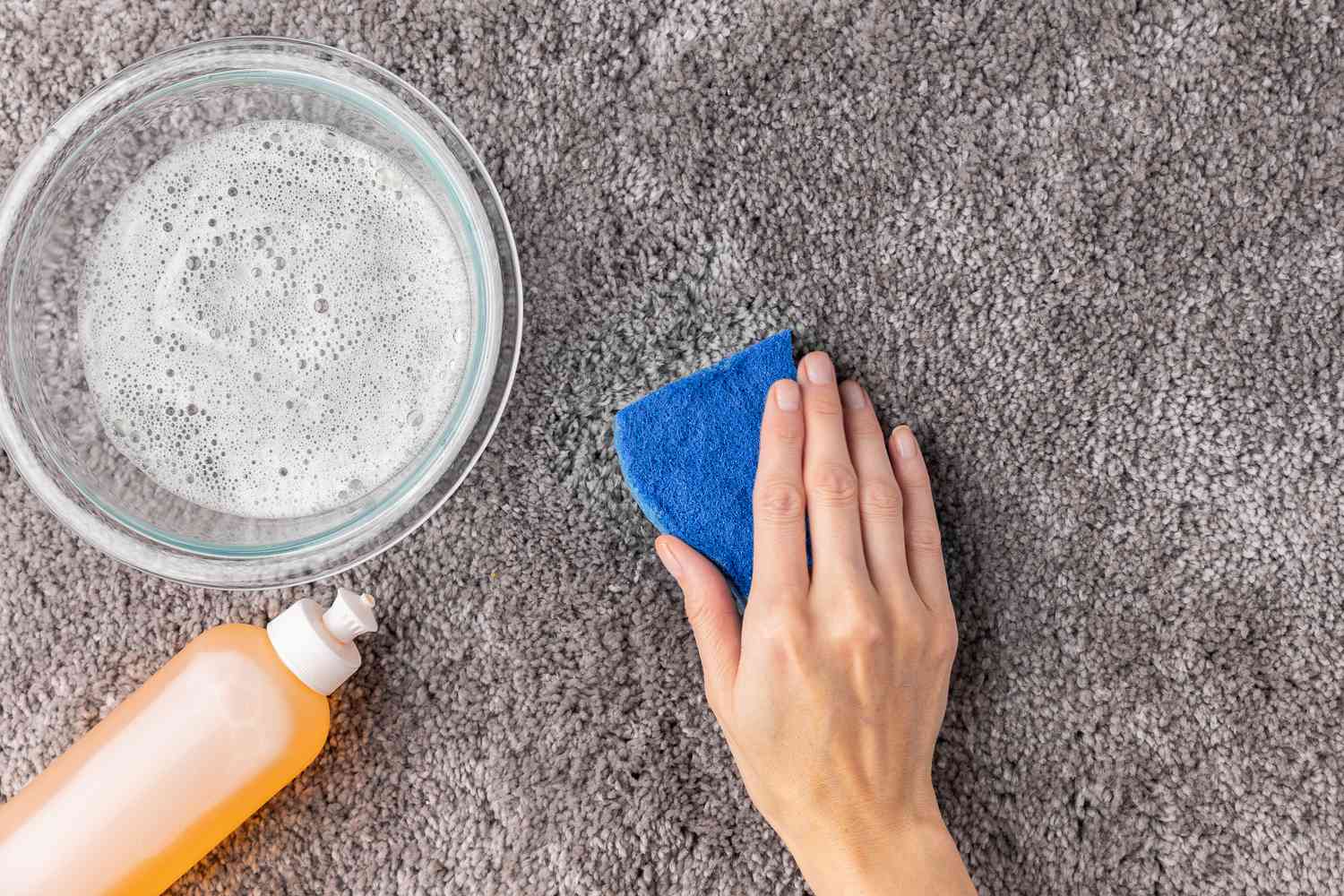
Learning How to Remove Milk Stains starts with one simple rule: blot, do not rub. For a fresh milk stain, use a cold, damp cloth immediately, then treat the area with cold water and an enzyme-based stain remover or dish soap. Never use hot water on milk stains because heat causes the proteins in milk to set permanently into the fabric.
Milk stains are deceptive. They look invisible when dry, but as milk protein oxidizes, a yellow-brown stain and sour smell appears days later. Acting quickly – ideally within minutes – makes removal dramatically easier.
Fresh vs Dried Milk Stains: Different Approach
| Stain Age | Best Treatment | Expected Result |
| Fresh (under 1 hour) | Cold water + dish soap or enzyme cleaner | Full removal likely |
| Dried (1-24 hours) | Soak in cold water 30 min + enzyme cleaner | Good removal, may need repeat |
| Old / set (24+ hours) | Enzyme soak overnight + oxygen bleach | Partial to full, may need professional clean |
| Dried + sour smell | White vinegar solution + enzyme cleaner | Removes stain and odor |
How to Remove Milk Stains from Clothing
- Blot up as much liquid as possible using a clean cloth or paper towel. Do not rub – this pushes the stain deeper into fibers.
- Run the stain under cold water from the back of the fabric to push the stain out.
- Apply a few drops of liquid dish soap or enzyme-based stain remover (like Zout, Carbona, or Tide Stain Remover). Work gently with your fingers.
- Let it sit for 5-10 minutes.
- Wash in cold water using your machine’s normal cycle.
- Check before drying – if the stain remains, repeat the treatment. Heat from the dryer will permanently set any remaining stain.
How to Remove Milk Stains from Carpet
- Blot up as much milk as possible using paper towels. Press firmly – don’t scrub.
- Mix 1 tablespoon dish soap + 2 cups cold water. Apply to the stain and blot from the outside in.
- Rinse by blotting with cold water. Repeat until no more residue transfers to your cloth.
- For lingering smell: Sprinkle baking soda over the area, let sit for 30 minutes, then vacuum.
- Alternatively, spray undiluted white vinegar, let sit 5 minutes, then blot dry.
How to Remove Milk Stains from Sofa / Upholstery
Check the care tag first. Most upholstery uses one of these codes: W (water safe), S (solvent only), WS (either), or X (vacuum only).
- W or WS coded fabric: Same method as carpet – dish soap + cold water, blot, rinse
- S coded fabric: Use dry-cleaning solvent (Guardsman, K2r) instead of water
- Leather: Wipe with cold damp cloth immediately, then condition with leather cleaner afterward
Products That Work: DIY vs Commercial
| Solution | How to Apply | Best For |
| Dish soap + cold water | Apply, blot, rinse | Fresh stains on any fabric |
| White vinegar (undiluted) | Spray, wait 5 min, blot | Odor + light stains |
| Baking soda paste | Apply, dry 30 min, vacuum | Odor absorption after cleaning |
| Enzyme cleaner (Zout, BioKleen) | Apply, wait 10 min, wash | Stubborn or dried protein stains |
| Oxygen bleach (OxiClean) | Soak in solution 1-6 hrs | White/light fabrics, heavy staining |
| Club soda | Pour on, blot immediately | Fresh stains in a pinch |
What NOT to Do
- No hot water, ever – heat permanently sets the casein protein from milk into fibers.
- No scrubbing – always blot. Scrubbing spreads the stain and damages fabric fibers.
- Don’t put in dryer until you’ve confirmed the stain is gone.
- Don’t use bleach on colored fabrics – it will remove color, not just the stain.
Quick summary: cold water, blot don’t rub, enzyme cleaner, air dry. Get to it quickly and milk stains are one of the easier proteins to remove.