
Key Takeaways
Plasma donation helps patients: Donated plasma is used to produce essential medical therapies for people with immune deficiencies, bleeding disorders, and other serious health conditions.
Donors contribute to the community: Donating plasma supports the availability of life-saving treatments and helps meet the ongoing demand for plasma-derived medicines.
The donation process involves screening: Donors undergo health assessments and eligibility checks before plasma collection begins.
Compensation may be available: Some plasma donation centers in San Diego compensate eligible donors, although payment amounts and promotional offers vary by location.
Safety is a priority: Reputable donation centers follow established procedures to protect donor health and maintain the quality of collected plasma.
Choosing the right center matters: Comparing location, appointment availability, eligibility requirements, and donor policies can help individuals make informed decisions.
How Plasma Donation Benefits Patients in San Diego
The Life-Saving Role of Donated Plasma
Plasma is the liquid component of blood that carries proteins, antibodies, electrolytes, and other essential substances throughout the body. It plays an important role in maintaining blood volume, supporting immune function, and helping the body regulate blood clotting. Donated plasma is also used to manufacture therapies that help patients manage various serious medical conditions.
For individuals with immune deficiencies, plasma-derived immunoglobulins can provide antibodies that help protect against infections. Patients with certain bleeding disorders may benefit from clotting factor therapies, while albumin and other plasma-derived products are used in specific medical situations.
These treatments can be particularly important for patients who depend on regular medication to manage chronic conditions. By contributing to the supply of donated plasma, eligible donors help support the production of medicines that healthcare professionals rely on to treat patients.
The Importance of Plasma in Modern Medicine
Plasma-derived therapies have an established role in modern healthcare. Depending on the product, they may be used to treat immune system disorders, certain bleeding conditions, and other medical problems. Some products are also used in hospital settings to support patients with specific critical illnesses.
The process of turning donated plasma into medicine involves collection, testing, processing, and manufacturing under strict quality standards. Not every donation becomes a finished medical product immediately, as plasma must undergo the appropriate procedures before it can be used.
For patients and their families, maintaining a reliable supply of plasma-derived medicines is essential. Plasma donation therefore represents an important contribution to the broader healthcare system, helping support treatments that may not have suitable alternatives.
Understanding Plasma Donation in San Diego
What to Expect During the Donation Process
People considering plasma donation in San Diego should understand the steps involved before scheduling an appointment. The process generally begins with registration, identity verification, a review of medical history, and a health screening to determine whether the individual meets the center’s eligibility requirements.
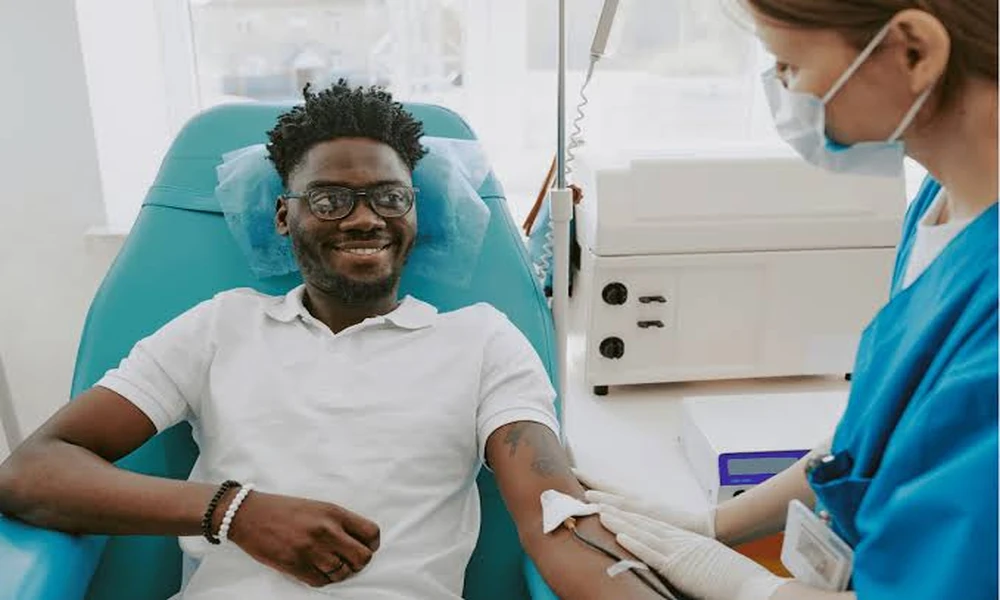
Once approved, the donor is connected to a specialized collection machine. Through a process called plasmapheresis, blood is drawn and separated so that the plasma can be collected while the remaining blood components are returned to the donor.
The collection process may take approximately an hour or longer, depending on the donor and the facility. First-time appointments often take additional time because of registration, screening, and education about the procedure.
After donating, individuals are generally encouraged to drink fluids, eat appropriately, and follow the center’s aftercare instructions. Donors should notify staff if they feel dizzy, weak, or unwell during or after the procedure.
Who Can Donate Plasma?
Eligibility requirements vary by donation center and applicable regulations. Factors commonly considered include age, weight, general health, medical history, medications, and recent activities that could affect donation eligibility.
Before donating, individuals should confirm the requirements directly with their chosen San Diego facility. They should also disclose relevant medical information honestly so that staff can determine whether donating is appropriate.
Following eligibility guidelines helps protect donors and supports the safety and quality of collected plasma. Anyone with questions about a medical condition or medication should consult the donation center’s qualified medical staff before proceeding.
How Plasma Donation Benefits Donors
Making a Meaningful Contribution to the Community
One of the main reasons people donate plasma is the opportunity to help others. Donated plasma supports the production of therapies used by patients with conditions that may require ongoing treatment. Knowing that their contribution can become part of a life-saving medical supply can give donors a meaningful sense of purpose.
For some individuals, plasma donation also provides an opportunity to become involved in their local community. Returning to the same center may allow donors to become familiar with the staff and procedures, making subsequent visits more comfortable.
However, every donation must be completed according to the center’s screening and safety requirements. Donors should never feel pressured to donate if they are unwell, uncomfortable, or uncertain about their eligibility.
Compensation and Other Potential Incentives
Some plasma donation centers in San Diego offer compensation to eligible donors. The amount may depend on the facility, current promotions, donation frequency, and other program-specific conditions.
Compensation should not be assumed to be the same across all centers. Before choosing a location, prospective donors can ask about payment schedules, introductory offers, eligibility conditions, and any requirements for receiving promotional rewards.
While financial compensation may be a consideration, donor health should remain the priority. Individuals should understand the donation process, follow the recommended donation schedule, and avoid treating compensation as a reason to donate more frequently than permitted.
Building a Positive Donation Experience
A comfortable donation experience begins with choosing a reputable center and understanding what to expect. Friendly staff, clear instructions, convenient appointment times, and transparent safety procedures can help make the process less intimidating, particularly for first-time donors.
Donors can prepare by getting adequate rest, eating a balanced meal, and drinking enough fluids before their appointment, following the center’s specific instructions. After donation, they should take time to recover and follow any guidance provided by the staff.
It is important to distinguish the personal satisfaction of helping others from proven medical benefits to the donor. Plasma donation is primarily intended to collect plasma for medical use; it should not be considered a health treatment or a guaranteed way to improve overall wellness.
Finding a Plasma Donation Center in San Diego
How to Choose the Right Facility
Finding a suitable donation center can help make the experience more convenient and reassuring. People researching plasma donation san diego options should compare facilities based on their location, operating hours, appointment availability, eligibility requirements, and donor policies.
Before booking a visit, consider the following factors:
- Location and accessibility: Choose a center that is convenient to reach and fits your regular schedule.
- Eligibility requirements: Confirm age, weight, health, and documentation requirements before visiting.
- Compensation policies: Ask about current payment rates, promotions, and any conditions attached to incentives.
- Safety procedures: Look for a facility that clearly explains donor screening, equipment handling, and collection protocols.
- Staff support: Choose a center where staff members are willing to answer questions and explain the procedure.
- Appointment requirements: Check whether first-time donors need to schedule an appointment and how long the initial visit may take.
Reading recent reviews may provide useful information about customer service and appointment experiences. However, official center policies should always take priority over information posted by other donors.
Safety Measures and Donor Protection
Safety is an essential part of plasma collection. Donation centers use donor screening, health assessments, sterile collection supplies, and established procedures to reduce risks during the process.
Plasmapheresis equipment is designed to separate plasma from the other blood components. Collection supplies that come into contact with blood should be handled according to the center’s infection-control procedures.
Donors also have a responsibility to provide accurate health information and communicate any discomfort during the appointment. Symptoms such as dizziness, nausea, tingling, or unusual discomfort should be reported to the staff immediately.
Before donating, individuals should ask questions about possible side effects, aftercare, and the recommended interval between donations. Understanding these details helps donors make informed decisions and supports a safer experience.
Frequently Asked Questions About Plasma Donation in San Diego
What are the eligibility requirements for donating plasma?
Eligibility requirements vary by center and applicable regulations. Common considerations include age, minimum weight, medical history, current health, medications, and identification documents. Contact the chosen facility to confirm its specific requirements before visiting.
How long does a plasma donation appointment take?
The collection itself may take around an hour or longer, depending on the individual and the facility. First-time visits typically take longer because registration, medical screening, and eligibility assessments must be completed.
How often can someone donate plasma?
The permitted donation frequency depends on applicable regulations and the center’s policies. In the United States, eligible donors may generally donate source plasma up to twice in a seven-day period, with at least 48 hours between donations, subject to applicable requirements. Donors should confirm the current rules with their center and follow medical guidance.
Do plasma donation centers in San Diego pay donors?
Some centers provide compensation to eligible donors, but payment amounts and promotional offers vary. Contact the facility directly for current rates, payment conditions, and any introductory or referral incentives.
Is plasma donation safe?
Plasma donation is generally considered safe for eligible donors when performed by qualified staff using appropriate equipment and established procedures. Temporary side effects, such as bruising, lightheadedness, or fatigue, may occur. Donors should report any discomfort and follow the center’s instructions.
What should donors do before and after donating plasma?
Before donating, individuals should follow the center’s preparation instructions, eat a balanced meal, stay hydrated, and get adequate rest. Afterward, they should continue drinking fluids, eat appropriately, avoid strenuous activity if advised, and seek assistance if concerning symptoms develop.
What medical conditions can plasma-derived products help treat?
Depending on the product, plasma-derived therapies can help manage conditions such as certain immune deficiencies and bleeding disorders. Albumin and other plasma products may also be used in specific clinical situations. The appropriate treatment depends on the patient’s medical needs and the advice of healthcare professionals.
How can someone find a reputable plasma donation center in San Diego?
Prospective donors can compare local facilities by reviewing their official websites, eligibility policies, operating hours, compensation details, and safety procedures. Contacting the center directly is the best way to confirm current information before scheduling a first appointment.
Useful Resources
- American Red Cross – Offers information on blood and plasma donation, covering donor eligibility and safety protocols.
- America’s Blood Centers – Highlights the importance of blood donation, including plasma and its medical applications.
- Plasma Friction – A platform focused on educating the public about plasma donation and its impact on patients in need.
- National Heart, Lung, and Blood Institute – Provides research and educational resources about blood and plasma donations, their benefits, and medical uses.
- U.S. Food and Drug Administration – Offers guidelines and regulations pertaining to blood and plasma donation, ensuring both donor safety and product quality.
- World Plasma Congress – A global initiative aimed at raising awareness and advancing research in plasma donation.
- Leukemia & Lymphoma Society – Provides information on how plasma-derived therapies are critical for blood cancer treatments.
- Centers for Disease Control and Prevention – Educates the public on health guidelines surrounding blood and plasma donation, including safety protocols.