
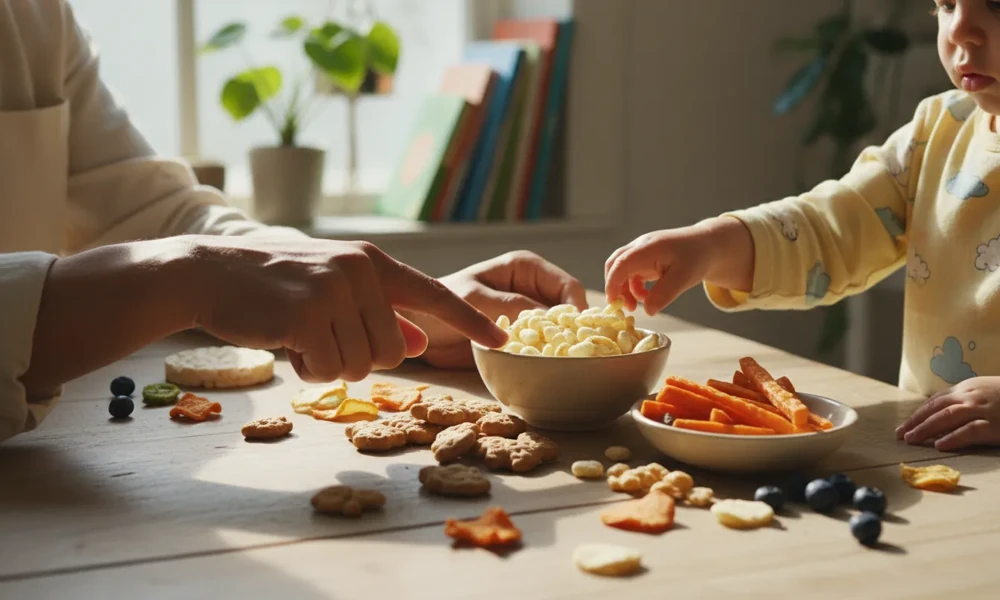
Most toddlers hit a stubborn stretch near their second birthday. Foods once loved get pushed aside without warning. This reversal, named food neophobia, carries deep evolutionary roots. Thoughtful organic toddler snacks can soften that resistance through taste. Little Bellies built its Toddlers in Training range around this hurdle. The real work lies in bridging the known toward the strange. Tiny repeated tastes reshape a young palate over weeks. Patience, not pressure, carries a fussy eater forward.
The Biology Behind a Toddler’s Refusal
Rejecting strange food once served an ancient purpose. Early humans foraged among plants that could poison them. Caution around unknown flavors kept wandering children alive. This instinct fades across the ages of two to six. A toddler’s flat “no” reflects wiring, not stubbornness. Knowing the cause makes daily refusal easier to bear.
How Can Snacks Bridge New Tastes?
Bridging links a trusted food to a strange one. Try these gentle bridges at snack time:
- Pair sweet apple nibblers with raw carrot.
- Offer veggie tubes next to a loved cracker.
- Swap a plain biscuit for animal crackers.
- Follow mango softcorn with fresh mango.
Known flavors coax suspicion toward welcome.
Small Bites Build Big Acceptance
Repetition does the quiet work of taste learning. Studies point to ten or more tries before a yes. Naturally sweetened organic toddler snacks keep those repeats gentle. Little Bellies skips added cane sugar for fruit powders. A youngster might greet mango Monday, then again Thursday. Acceptance arrives through patience, not persuasion.
Which Snack Tricks Actually Work?
Playful framing turns refusal into appetite. These small tricks lower a toddler’s guard:
- Pack a grab-and-go bar for outings.
- Crumble puffs over plain yogurt.
- Let little hands dip and smear.
- Praise one brave taste calmly.
- Reoffer the snack the next week.
Each move frames tasting as play. Pressure never shares the same table.
What Should Parents Avoid Doing?
Pressure at the table tends to backfire. Forcing a bite breeds firmer refusal next time. Bribes teach a child to bargain, not taste. A relaxed parent models the manner that works. Punishment and tense faces sour the whole mood. Calm repetition outperforms any clever threat. Mealtime peace matters more than a cleared plate.
Mango on Thursday Earns Its Place
That mango refused on Monday often wins by Thursday. The toddler years hold a narrow tasting window. Palates set between the ages of two and six. Each cheerful nibble today shapes the eater of fifteen. A pack of veggie tubes looks trivial, yet matters. A rejected carrot is no final verdict. It marks a rehearsal for the next brave bite.
Frequently Asked Questions
At what age does food neophobia peak?
Refusal climbs toward a child’s second birthday and holds firm for months. It loosens across the years from two to six, as confidence with food builds.
How many tastes does acceptance tend to take?
Research points to ten or fifteen separate exposures before a flavor feels safe. Relaxed, unhurried meals matter far more than any single forced bite.
Can hiding vegetables in snacks truly help?
Blending a mild vegetable into a loved snack builds quiet familiarity first. A veggie tube alongside the whole cooked version later teaches honest recognition.
Does forcing a toddler to eat ever work?
Force hardens refusal and sours the entire meal for everyone present. Calm, repeated offers reshape a stubborn palate far better over time.
What if a toddler only accepts sweet snacks?
Lean on the sweet liking as a doorway, not a destination. Pair a naturally sweetened bite with a faint savory note, then ease the sweetness down.