
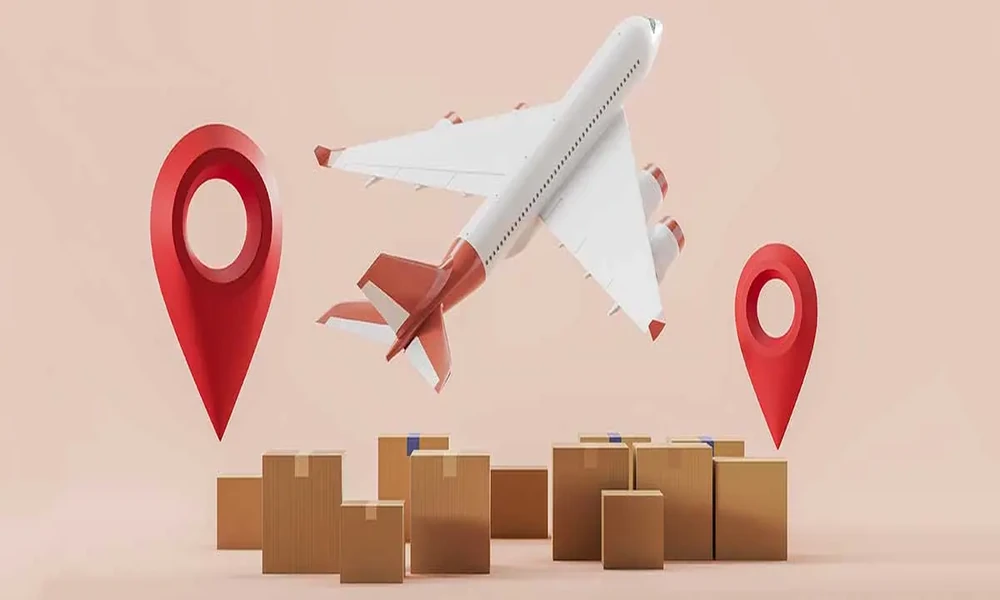
Cross-border shoppers now judge foreign orders by domestic standards. A parcel from abroad is expected in days, not weeks. Speed alone, however, rarely decides whether expansion succeeds. Clean customs data, accurate tracking, and simple returns matter equally. A dependable courier service links these pieces into one chain. When that chain holds, sellers enter new markets with confidence. Network design, customs readiness, and tracking shape that outcome.
Regional Fulfilment Nodes Shorten Delivery Windows
Shipping every order from one central warehouse stretches transit times. Expanding brands now split stock across regional hubs near buyers. A parcel leaving a nearby node skips long-haul legs. Buyers in distant regions notice the difference first. The payoff shows up as fewer late deliveries. Placement works best when guided by real demand data:
- Fast-moving products sit closest to top buyer regions.
- Slow sellers stay at the central warehouse longer.
- Seasonal stock shifts ahead of local peak periods.
- Return-heavy items need hubs with inspection capacity.
Why Does Customs Data Decide Transit Speed?
International shipping is often framed as a rate problem. In practice, clearance delays cost far more than freight. A vague product description can hold a parcel for days. Correct tariff codes, declared values, and origin details prevent that stall. Prepaid duties also spare buyers surprise charges at delivery.
Carrier Selection Goes Beyond the Cheapest Rate
The lowest-priced carrier for every lane looks thrifty on paper. Yet small per-shipment savings vanish after one failed delivery. Reships, refunds, and support tickets quickly erase that margin. A reliable courier service earns its fee through first-attempt success. Smart routing matches each lane to its strongest partner:
- Express partners handle urgent orders.
- Postal networks serve remote addresses.
- Regional specialists cover dense cities.
- Backup carriers absorb peak overflow.
Can Real-Time Tracking Reduce Support Pressure?
Buyers ordering from abroad check parcel status far more often. Each unanswered “where is my order” message costs staff time. Automated scan alerts by email or text answer it first. Shoppers comparing two stores trust the one showing firm dates. A proactive delay alert, sent early, preserves buyer goodwill.
What Makes Cross-Border Returns Less Painful?
Returns test a seller’s network harder than outbound orders. Shipping every rejected item back overseas wastes time and money. Local return points let goods be inspected near the buyer. Resellable stock can then restock the regional hub directly.
Customs Codes Outweigh Shipping Rates Over Time
A mistyped tariff code costs more than a slow truck. That one field can stall parcels longer than flights. Growth abroad is less a speed contest than data discipline. Sellers auditing product records before launch gain days for free. Faster carriers cannot recover time lost at customs. Fulfilment speed starts at a keyboard, not a loading dock.
FAQs
How does a courier differ from standard postal shipping?
Couriers offer scanned tracking, faster transit, and door-to-door accountability. Postal options cost less but pass parcels between national operators.
Do regional warehouses suit smaller online sellers?
Third-party fulfilment providers let smaller sellers share hub space affordably. Opening one overseas node in the top market keeps risk low.
Which details must a customs declaration include?
Declarations need an accurate product description, tariff code, and declared value. Country of origin and sender details complete most forms.
Should duties be prepaid for international buyers?
Prepaying duties removes surprise charges that often trigger refused deliveries. The cost can be folded into product pricing or shipping fees.
Can businesses use more than one courier at once?
Multi-carrier setups let each lane run through its strongest partner. Shipping software then compares options and books labels automatically.
What causes most international delivery failures?
Incomplete addresses and missing customs paperwork top the list. Validating both at checkout prevents parcels from stalling mid-route.