
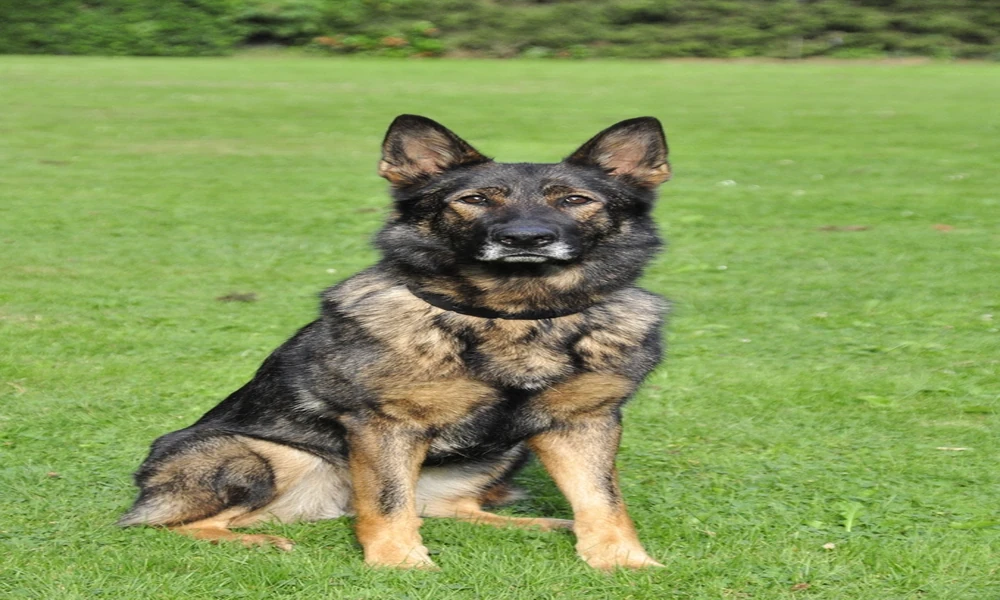
Browse listings for trained protection dogs in the US or UK and you’ll quickly meet a wall of abbreviations. IGP3. BH. KNPV PH1. French Ring 1. Sellers use these titles as proof of quality, and some charge much more for titled dogs. But buyers often don’t know what each title tests, how hard it is to earn, or what it says about whether a dog will suit their family.
Understanding the main titles helps you read a listing critically, ask better questions, and avoid paying a premium for letters that don’t match your needs.
Why titles matter at all
A title shows that a dog has been tested by an independent judge under set rules, not just assessed by the person selling it. That’s useful. A dog that has passed a recognised trial has shown a certain level of training, control, and nerve on a particular day.
Titles also tell you about a dog’s background. Many working dogs come from bloodlines where parents and grandparents were titled, which suggests the breeding has been selected for working ability.
What titles don’t guarantee is that a dog will be calm with children, safe with visitors, or suited to life in a family home. Those are separate questions.
BH: the starting point
The BH is a basic companion dog and temperament test that comes before higher working titles in German sport. It covers obedience on and off lead, and a traffic or public section where the dog has to stay calm around people, cyclists, cars, and other dogs. A BH on its own isn’t a protection title, but it’s a useful sign of basic training and stable temperament.
IGP (formerly Schutzhund or IPO)
IGP is the international working dog sport that grew out of German Schutzhund. In the US, the United Schutzhund Clubs of America (USCA) describes itself as dedicated to preserving the German Shepherd dog’s working heritage through Schutzhund training and breed surveys, and it hosts Schutzhund trials under an IGP rulebook.
IGP trials have three phases: tracking, obedience, and protection. The dog has to pass all three in one trial to earn a title. Levels run from IGP1 to IGP3, with IGP3 the most demanding. In the protection phase, the dog searches for a helper, guards him, and engages a padded sleeve, then must release on command and stay under control.
IGP is a sport, with fixed exercises and a known helper in protective gear. It shows a dog’s drive, control, and nerve within those rules. It doesn’t test how a dog responds to an unexpected real-world threat, so buyers should ask what additional training a protection dog has had beyond its sport title.
KNPV: the Dutch police certificate
KNPV is the Royal Dutch Police Dog Association, and its certificates are highly regarded in protection and police work. The best known is PH1, a police dog certificate that includes obedience, searching, and demanding protection exercises in varied scenarios.
KNPV dogs, often Dutch Shepherds, Belgian Malinois, or crosses, are bred and trained for practical police-style work. Many are sold to police forces and security services in the US and Europe. They can make excellent protection dogs, but they’re often high-drive and need experienced handlers.
Ring sports
French Ring and Mondioring are protection sports that emphasise agility, obedience, and protection in more varied scenarios than IGP. Helpers wear full bite suits, and dogs may face distractions, props, and surprise elements. Titles progress through levels, such as French Ring 1, 2, and 3.
Ring dogs often show impressive athleticism and confidence under pressure. As with IGP, they’re sport titles, and buyers should check how the dog behaves in normal family life.
PSA and other protection-focused programmes
In the US, the Protection Sports Association (PSA) runs trials designed to look more like real-world protection scenarios, with suited decoys and varied attacks. Some private protection trainers also use their own certification tests. These can be useful, but a seller’s in-house certification is only as credible as the seller.
What to ask when you see a title
When a listing mentions a title, a few follow-up questions are worth asking. Can I see the scorebook or certificate, and the trial results? When was the title earned, and how has the dog been trained since? Was the title earned with the current trainer or a previous owner? How does the dog behave in a house, with children, and with visitors? And what training has it had beyond sport, specifically for personal or family protection?
Ask to see videos of the dog in ordinary settings as well as in trials, and if possible, watch it in person.
Titles and family life
For many families, a dog with a strong sport title is more dog than they need. High-level IGP, KNPV, or Ring dogs are often bred for intense drive and need daily work, experienced handling, and ongoing training. A well-socialised dog with a BH and solid basic protection training may suit a household far better.
The right dog is the one whose temperament, training, and energy match how you live. Titles help you judge part of that picture, and the rest comes from careful questions, time with the dog, and an honest seller.